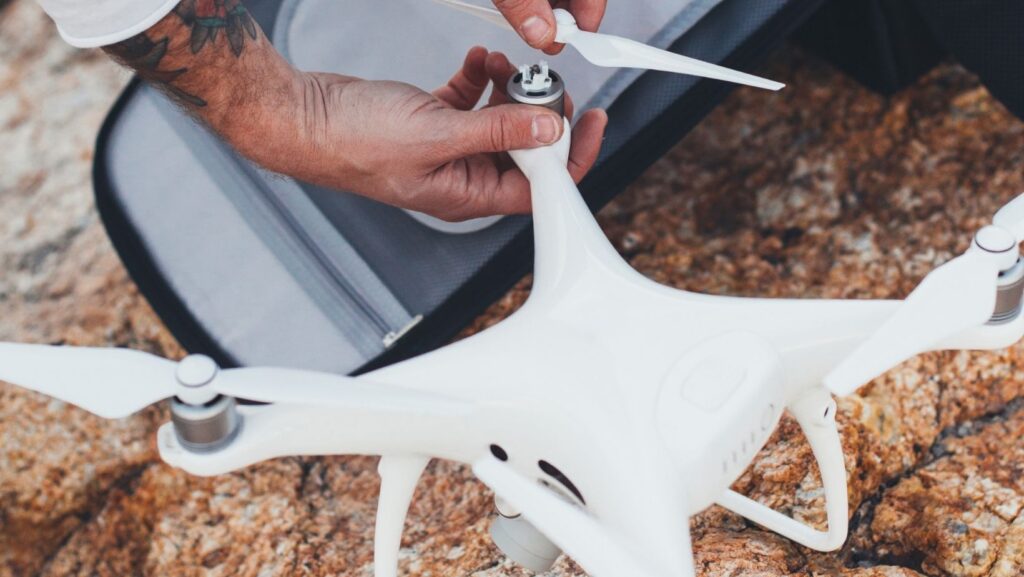
Remote-controlled (RC) drones have rapidly grown from niche gadgets into popular recreational devices. Whether for photography, racing, or just flying for fun, RC drones offer endless possibilities. If you’re new to the hobby, this guide will help you understand what RC drones are, how they work, and how to get started safely and effectively.
What Is an RC Drone?
An RC drone is an unmanned aerial vehicle (UAV) controlled remotely via a transmitter or a smartphone app. Unlike traditional RC planes or helicopters, drones are usually quadcopters, meaning they have four rotors. Some advanced models have six or eight rotors. The multi-rotor design provides stability, easy maneuverability, and the ability to hover in place—perfect for beginners learning to fly.
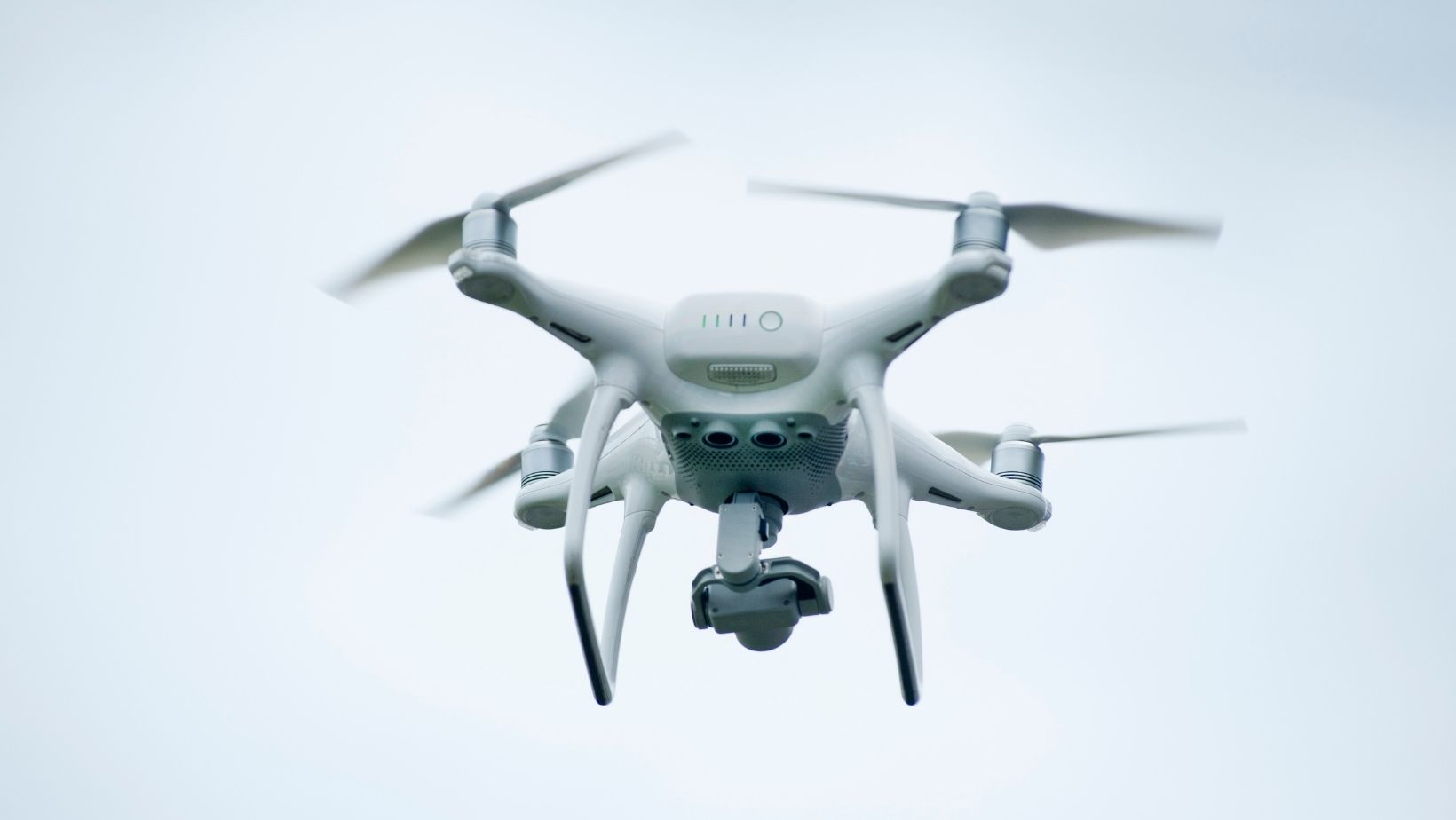
Most drones come equipped with batteries, motors, propellers, a flight controller, and sometimes cameras and GPS systems. The flight controller acts as the drone’s brain, processing inputs from the pilot and sensors to maintain stable flight.
Types of RC Drones
RC drones are available in various types, each catering to different interests and skill levels:
- Toy Drones – These are lightweight, inexpensive drones with basic features. They usually have short flight times (5–10 minutes) and are ideal for indoor practice.
- Camera Drones – Equipped with high-resolution cameras, these drones are perfect for aerial photography and videography. They often include stabilization features and GPS for smooth shots.
- Racing Drones – Designed for speed and agility, racing drones are small, lightweight, and fast. They are typically flown in competitions and require advanced piloting skills.
- DIY Drones – For enthusiasts who enjoy building drones from scratch, DIY kits allow customization of motors, frames, and controllers. These are suitable for those who want to understand drone mechanics deeply.
Key Components of RC Drones
Understanding the components of a drone helps beginners make informed choices:
- Frame: The physical structure holding all components together. Lightweight and durable frames are best for beginners.
- Motors & Propellers: The motors spin the propellers, generating lift. Propeller size and shape affect flight speed and stability.
- Battery: Lithium-polymer (LiPo) batteries are common, providing varying flight times depending on capacity.
- Flight Controller: A microcomputer that stabilizes the drone using sensors like gyroscopes and accelerometers.
- Remote Controller: The device used to send commands to the drone. Some drones can also be controlled via smartphone apps.
- Camera (Optional): For drones intended for photography, a built-in camera or gimbal system captures smooth video and images.
Choosing Your First Drone
When picking your first RC drone, consider the following factors:
- Budget: Entry-level drones can cost as little as $30, while high-end camera drones exceed $1,000. Start small and upgrade later.
- Flight Time: Beginner drones often fly for 5–15 minutes per battery charge. Extra batteries extend your flying sessions.
- Ease of Use: Look for drones with beginner-friendly features like auto-hover, altitude hold, and one-touch takeoff/landing.
- Durability: Accidents happen, so a robust frame or propeller guards will prevent damage and reduce repair costs.
- Purpose: Decide if you want a drone for fun, racing, or photography. Specialized drones offer features tailored to each purpose.
- Where to Buy: Visiting a local RC shop can be a great way to get hands-on advice, test models, and see accessories in person.
Basic Drone Flying Tips
Learning to fly an RC drone can feel intimidating, but with practice, you’ll gain confidence quickly.
Here are some tips:
- Start Indoors: Begin flying in a large, open indoor space. Smaller drones are ideal for indoor practice.
- Master Basic Controls: Familiarize yourself with throttle (up/down), yaw (rotation), pitch (forward/back), and roll (sideways).
- Use Beginner Mode: Many drones feature beginner or GPS-assisted modes that stabilize flight automatically.
- Avoid Obstacles: Practice hovering and gentle turns before attempting complex maneuvers.
- Check Weather: For outdoor flights, avoid strong winds, rain, or snow. Weather affects stability and battery life.
- Practice Landing: Smooth landings prevent damage. Use one-touch landing features if available.
Safety and Regulations
Flying a drone comes with responsibility. To ensure safety:
- Fly in Open Areas: Avoid crowded spaces, airports, or restricted zones.
- Maintain Line of Sight: Always keep your drone visible to avoid collisions.
- Respect Privacy: Do not fly over private property without permission.
- Follow Local Laws: Many countries regulate drone flight, including registration requirements, altitude limits, and no-fly zones. For instance, in the U.S., drones over 0.55 pounds must be registered with the FAA.
Maintaining Your Drone
Proper maintenance ensures your drone lasts longer:
- Charge Batteries Safely: Use the recommended charger and avoid overcharging.
- Inspect Props and Motors: Replace damaged propellers and clean motors regularly.
- Store Properly: Keep drones in a cool, dry place to prevent battery damage and corrosion.
- Update Firmware: Manufacturers often release software updates to improve stability and features.
Advancing Your Skills
Once you’re comfortable flying, you can explore advanced techniques:
- Cinematic Filming: Learn smooth flight paths for professional-quality videos.
- Obstacle Courses: Set up practice courses to improve agility and control.
- FPV Racing: First-person view (FPV) drones give a cockpit-like perspective, ideal for competitive racing.
- Drone Photography: Experiment with angles, lighting, and drone movement for creative shots.
Conclusion
RC drones are more than toys—they’re a gateway into an exciting world of flight, technology, and creativity. Starting with a beginner-friendly drone, practicing safety, and gradually advancing your skills will make your journey enjoyable and rewarding. Whether your goal is aerial photography, racing, or just the joy of flying, RC drones provide endless opportunities for exploration. Remember: patience, practice, and curiosity are your best copilots.