Food isn’t just about taste; it’s a vibrant canvas that tantalizes the eyes. From the fiery red of a ripe tomato to the deep green of fresh spinach, color plays a crucial role in how we perceive and enjoy our meals. But what if those colors could do more than just look good on Instagram? They can!
Colour in Food S-40533E1(EXW)
Color in food significantly influences perception and enjoyment. It’s vital to recognize how colors throughout meals can impact flavor expectations and nutritional values.
The Science Behind Food Colouring
Food coloring affects sensory perceptions. Specific wavelengths of light stimulate taste receptors, leading to varied flavor interpretations. For instance, the color red triggers sweetness, while green often suggests freshness. Scientific studies report that individuals can perceive flavors differently based on food color alone. Health professionals emphasize the psychological impact of color on appetite, with brighter colors generally associated with higher nutrient content, which enhances consumer choices.
Types of Food Colouring Agents
Natural and synthetic agents serve as food coloring options. Natural agents include beet juice, turmeric, and spirulina, derived directly from plant sources. These sources not only provide vibrant colors but also contribute nutritional benefits. Common synthetic agents, such as Red 40 and Yellow 5, are often used due to their stability and cost-effectiveness. Regulatory bodies, like the FDA, maintain standards for safe usage. Awareness of each type helps consumers make informed dietary choices related to visual appeal and health.
Impacts of Colour on Food Perception
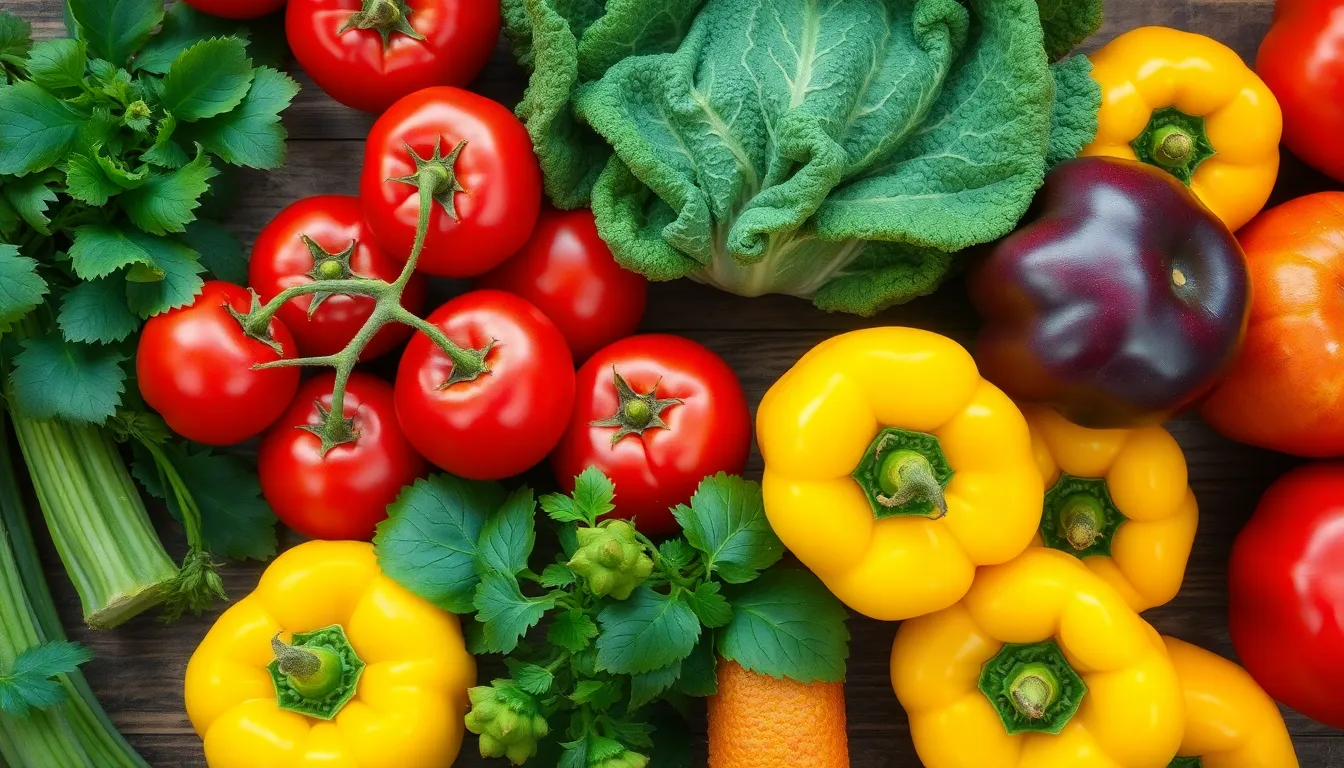
Color influences food perception significantly. It affects not only visual attraction but also flavor expectations and emotional responses.
Psychological Effects of Food Colour
Color impacts psychological responses and appetite. Research shows brighter colors often trigger feelings of excitement and can increase hunger. Red, for example, is frequently associated with appetite stimulation. Green tends to evoke freshness and health, enhancing perceptions of nutritious value. A study found that colorful meals lead to heightened enjoyment and satisfaction compared to dull-colored options. Individuals frequently perceive fruit and vegetables as more appealing when they display vibrant hues. Thus, utilizing various colors in meal preparation can enhance dining experiences and promote healthier eating habits.
Cultural Associations with Food Colours
Cultural contexts shape interpretations of food colors. Different cultures assign distinct meanings to various hues. For instance, in Western cultures, white signifies purity and simplicity, often found in dishes like rice or pasta. In contrast, many Eastern cultures view red as a symbol of good fortune and celebration, often using it in festive meals. Furthermore, some cultures associate green with health and vitality, while others might perceive it as a warning sign for ripeness. These associations significantly affect food choices and culinary traditions, illustrating the power of color in global food perception.
Regulatory Aspects of Food Colour
Regulatory aspects play a crucial role in ensuring the safety and consistency of food coloring agents. Many countries implement stringent food safety regulations governing the use of coloring agents. The Food and Drug Administration (FDA) oversees their approval in the United States. To obtain approval, manufacturers must provide scientific evidence demonstrating the safety of their products. These regulations help prevent harmful substances from entering the food supply, ensuring consumer protection.
Food Safety Regulations
Food safety regulations encompass guidelines that govern the use of color additives. Regulatory authorities assess safety data before granting approval for use in food products. Manufacturers seeking to use specific colorants must complete extensive testing and maintain compliance with set guidelines. The FDA classifies color additives into two categories: certified and exempt. Certified colors undergo rigorous testing, while exempt colors are generally recognized as safe, provided they meet certain criteria.
Labelling Standards for Colouring Agents
Labelling standards ensure transparency about food coloring agents. Regulations require manufacturers to label their products accurately, allowing consumers to make informed choices. The ingredient list must clearly identify artificial colors and any relevant information regarding natural colors. This labeling often includes the specific names or numbers assigned to synthetic colors. Ensuring compliance with these standards allows consumers to understand what they are consuming and encourages manufacturers to prioritize safety and quality.
Practical Applications of Colour in Food
Color plays a vital role in various aspects of the food industry, influencing perceptions and enhancing experiences.
Colour in Culinary Arts
Chefs utilize color strategically in dish presentation, knowing vibrant hues attract attention and create visual appeal. Ingredients like colorful bell peppers and purple cauliflowers not only add beauty but also nutritional diversity. It’s evident that a rainbow plate can indicate a range of vitamins and minerals, making meals not only appealing but healthy. Specific colors can evoke emotions and set the mood; warm tones often convey comfort, while cool shades impart freshness. Incorporating a variety of colors can elevate a dining experience, keeping customers engaged and satisfied.
Colouring for Marketing and Branding
Brands leverage color psychology to enhance product visibility and recognition. Bright colors often stimulate attention, prompting consumers to choose one item over another. Fast food chains frequently use red and yellow in branding to stimulate appetite and evoke feelings of excitement. Research shows that colored packaging influences buying decisions, with products appearing fresher and more appealing. In addition, specific hues can convey brand identities, helping consumers associate colors with quality and taste. By prioritizing effective color strategies, companies boost their market presence while enhancing product desirability.
Conclusion
Color plays a pivotal role in the food experience. It enhances visual appeal and influences taste perceptions while also impacting nutritional expectations. The interplay between color and appetite is significant not only in culinary presentation but also in marketing strategies. Understanding the cultural meanings associated with different hues can further enrich one’s dining experience. As consumers become more aware of the implications of food coloring, they can make better choices that align with their health and aesthetic preferences. Embracing the science and artistry of color in food ultimately leads to a more enjoyable and informed culinary journey.